A wall, a socket, and 12 per cent of what sells
An unattended fridge with a card reader, stocked and maintained by us. You provide the wall, the power and the people already walking past it. You own none of the stock.
What you provide is space, power and people walking past
The stock is the restaurant's, the restocking is the courier's and the machine is ours. A host buys nothing and is not tied to any inventory.
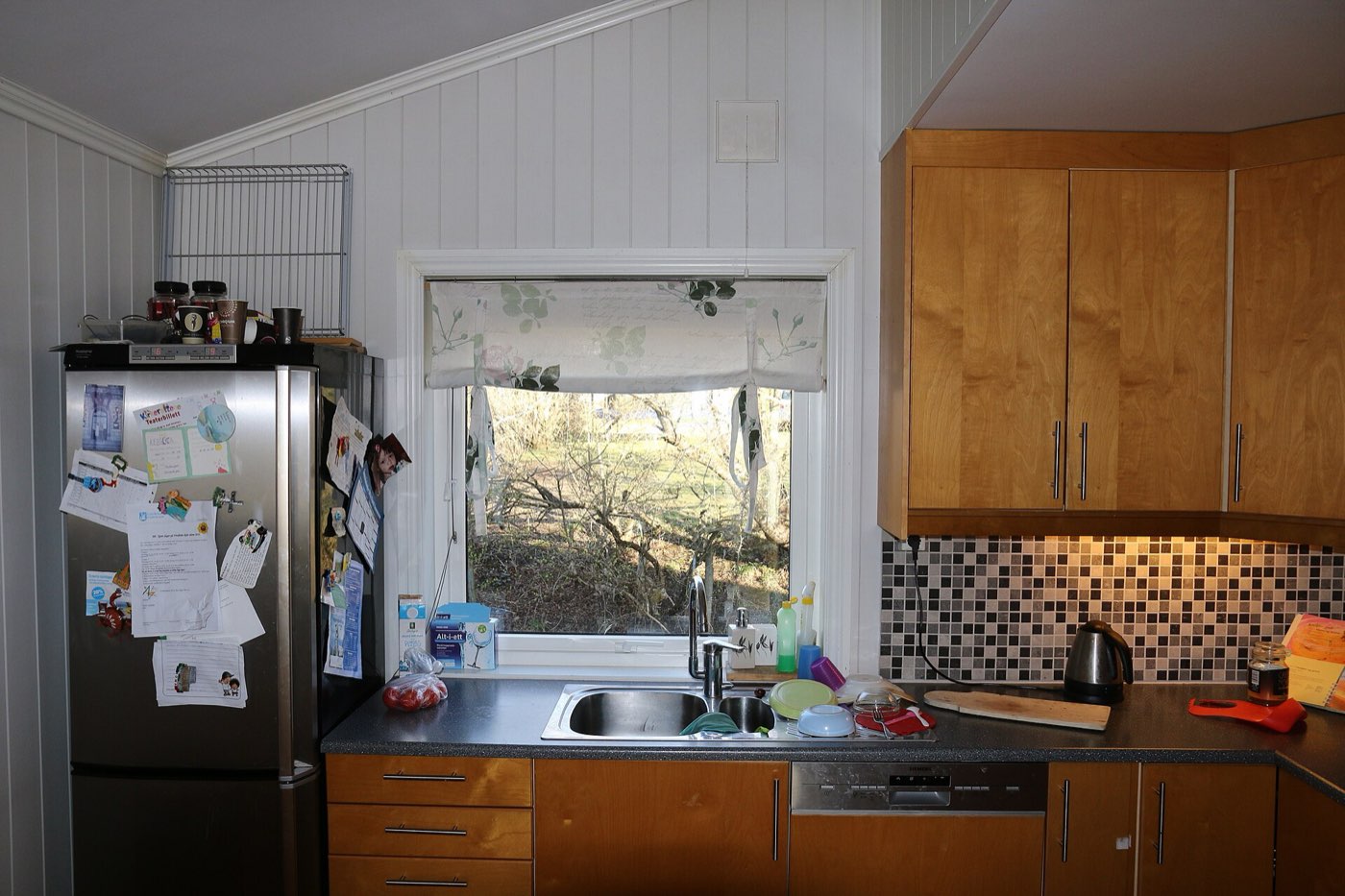
The fridge stands against a wall with power and a route that already passes. 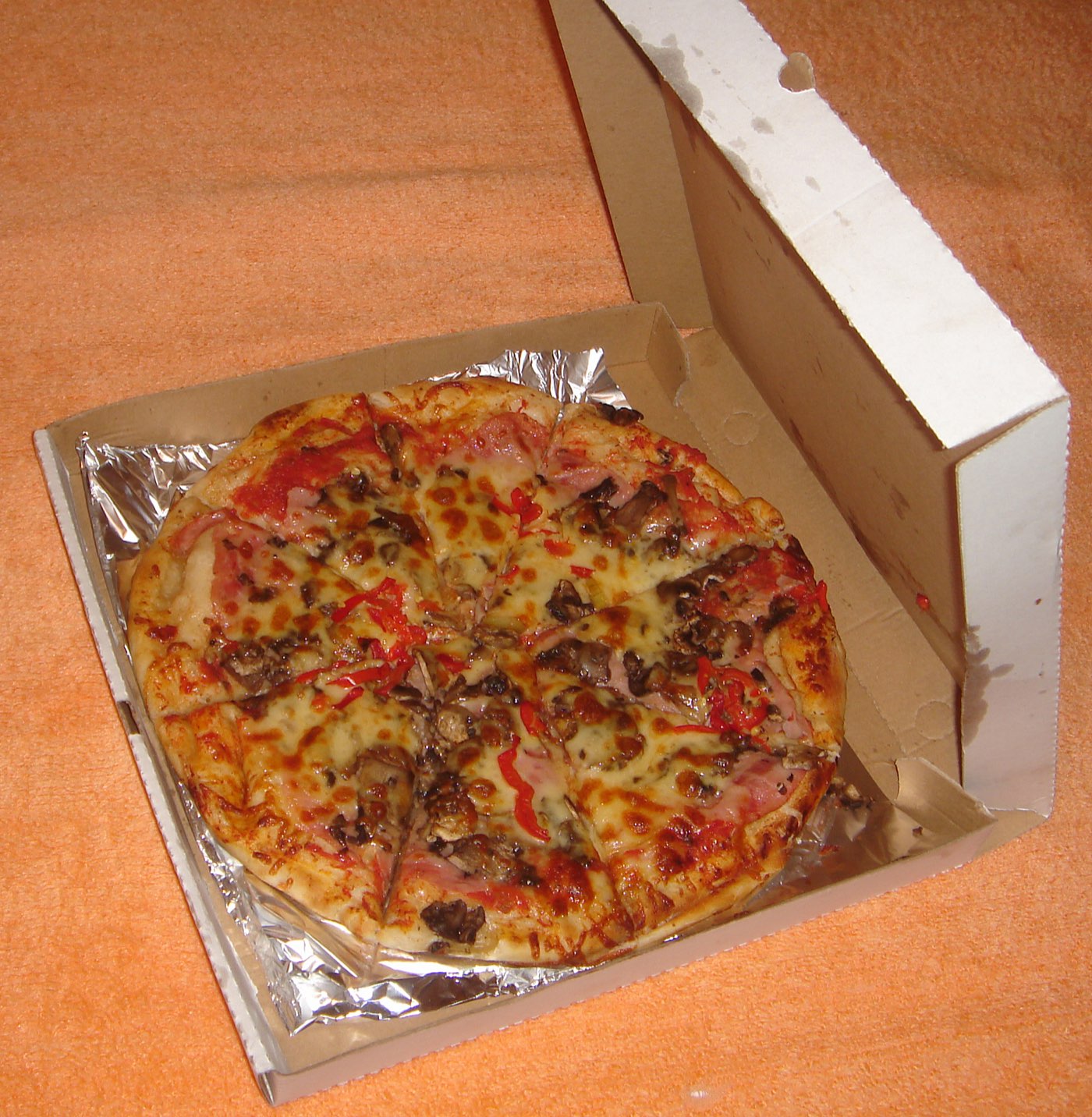
The stock belongs to the restaurant. The host buys nothing. 
An entrance becomes a point of sale with nobody standing in it. 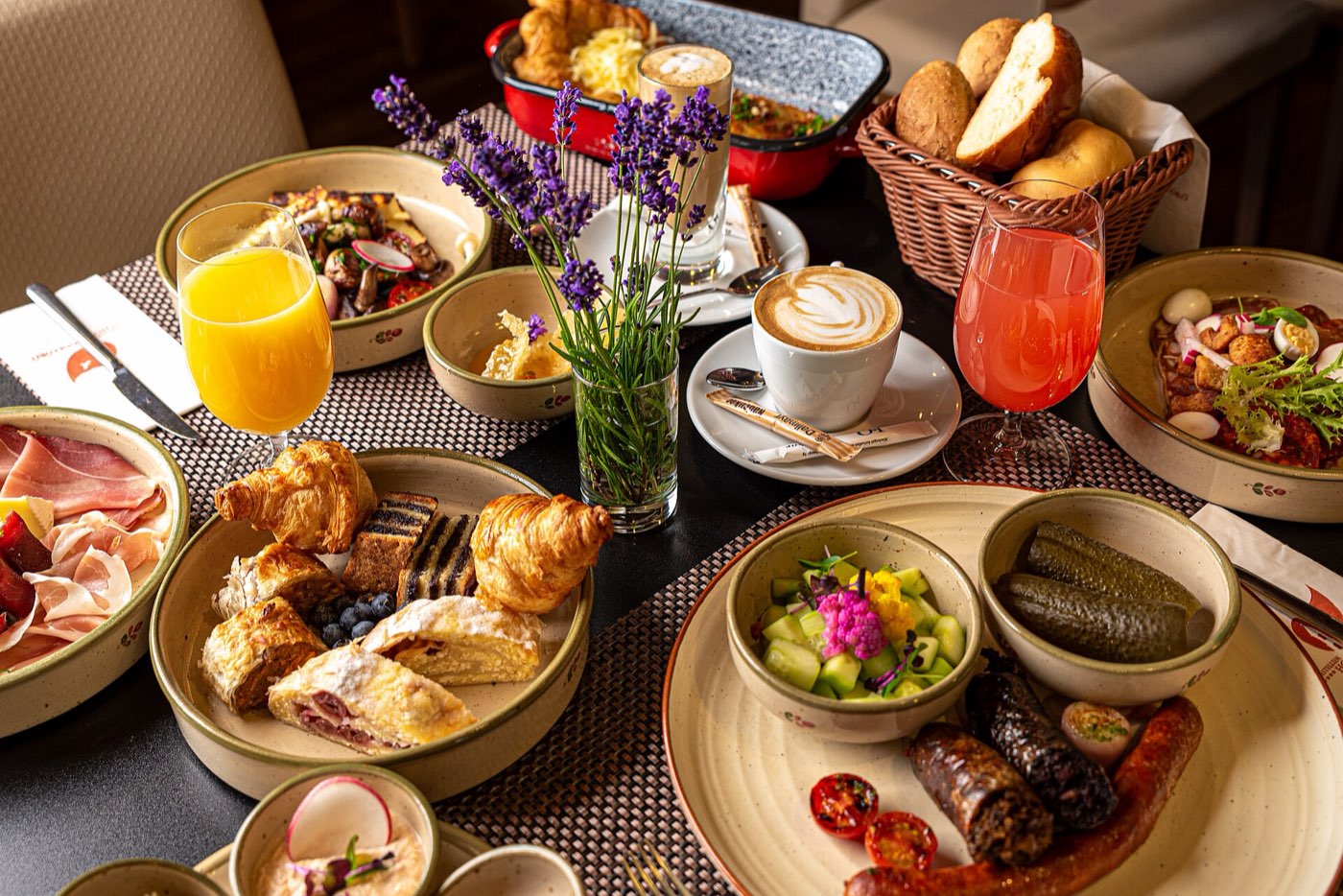
Morning is the hour when an entrance sells the most. 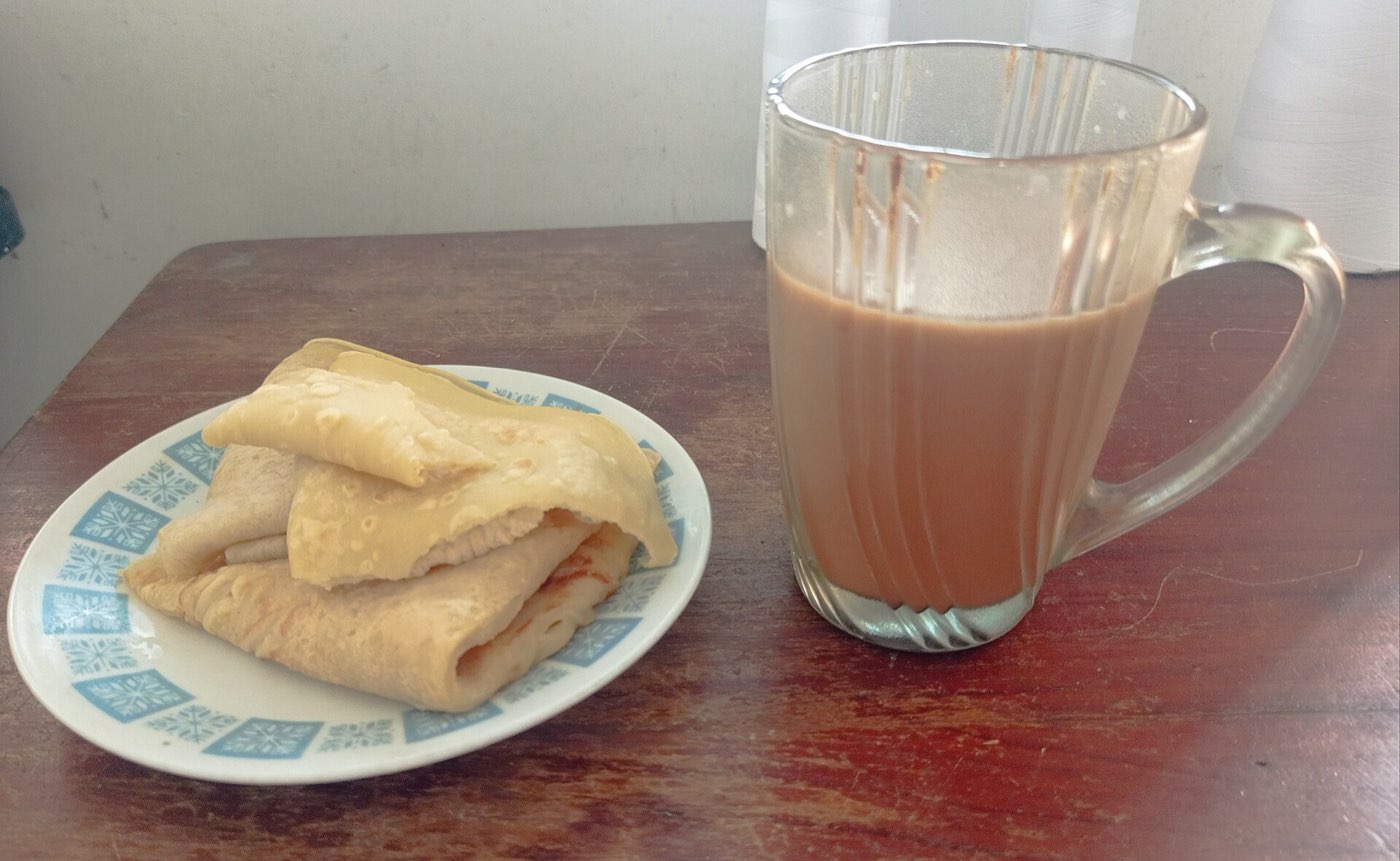
Restocking is done by a courier who is passing anyway. 
Temperature is logged around the clock without anyone reading it off.
Who pays for what does not sell
We do. It is our stock, our expiry dates and our loss, and that is the single term that decides whether this is worth your wall.
Waste is ours
Unsold food is moved to the surplus listing before it expires and sold at a reduction, and what still does not sell is written off by us. You are never invoiced for stock.
Theft is ours too
The fridge opens against a card. Shrinkage is our cost of doing business, not a deduction from your share, and no host has ever been asked to make up a difference.
What you actually provide
Around one square metre of floor, a standard socket, and access for restocking at an agreed hour. Not staff, not storage, not cleaning beyond your usual round.
What it costs you
The electricity, which for a fridge of this size is small but not nothing, and we state the consumption in writing before installation rather than after.
How the share is possible
The fridge counts its own stock by weight and label, and restocking is added to a route that already passes. What disappears is a salesperson making calls and a separate service vehicle.